

Facing charges for assault or murder is one of the most critical moments in a person's life. The stakes are incredibly high, involving potential life sentences or permanent loss of liberty. According to recent legal analyses, a significant percentage of wrongful convictions or harsh sentencing outcomes stem from early procedural errors made by defendants who do not understand the gravity of the situation. In Mississippi, where criminal law is strictly enforced, understanding these pitfalls is essential for any individual navigating the justice system. This guide outlines the most frequent errors made by defendants and their families, providing a clear path toward effective legal representation.
The Danger of Self-Representation
One of the most catastrophic errors a defendant can make is choosing to represent themselves, known as proceeding pro se. While the right to self-representation exists, it is rarely advisable in serious felony cases like murder or aggravated assault. Criminal law is not just about facts; it is about procedure, evidence rules, and strategic negotiation. A layperson cannot effectively cross-examine expert witnesses or file complex motions to suppress evidence.
When you hire an experienced attorney, you gain a professional who understands the local court system. For instance, William Wayne Housley has spent years mastering the nuances of Mississippi criminal law. His recognition as a top-tier attorney is not accidental but the result of rigorous legal practice. Attempting to navigate this alone often leads to missed deadlines or inadvertent admissions that can be used against you in court. The complexity of the law requires a specialist, not a generalist.
Social Media Missteps
In the digital age, your online presence is a public record. Many defendants make the mistake of posting about their case, their feelings, or even their activities on social media platforms like Facebook, Instagram, or X. Prosecutors actively monitor these platforms to find inconsistencies in the defendant's story. If you claim to be injured but post a photo of yourself playing sports, your credibility is instantly destroyed.
Furthermore, friends and family members may inadvertently share information that compromises your defense. It is crucial to advise all contacts to refrain from discussing the case online. Housley Law advises clients to maintain a strict digital silence during the pendency of their case. This includes turning off location services and avoiding check-ins at places relevant to the crime. Every post is a potential piece of evidence.
Interacting with Law Enforcement
Perhaps the most common mistake is speaking to the police without legal counsel. The Fifth Amendment protects you from self-incrimination, but many people feel compelled to "explain" themselves to officers. Police are trained to gather information, and their goal is to build a case. Anything you say can and will be used against you, often out of context.
Even if you believe you are innocent, your statements can be twisted to suggest guilt. For example, an attempt to clarify a timeline might be interpreted as a lie if it conflicts with witness testimony. The only safe course of action is to remain silent and request an attorney immediately. Effective criminal defense begins the moment you are questioned. Do not wait for an arrest to seek help. Early intervention can sometimes prevent charges from being filed altogether.
Ignoring Physical Evidence
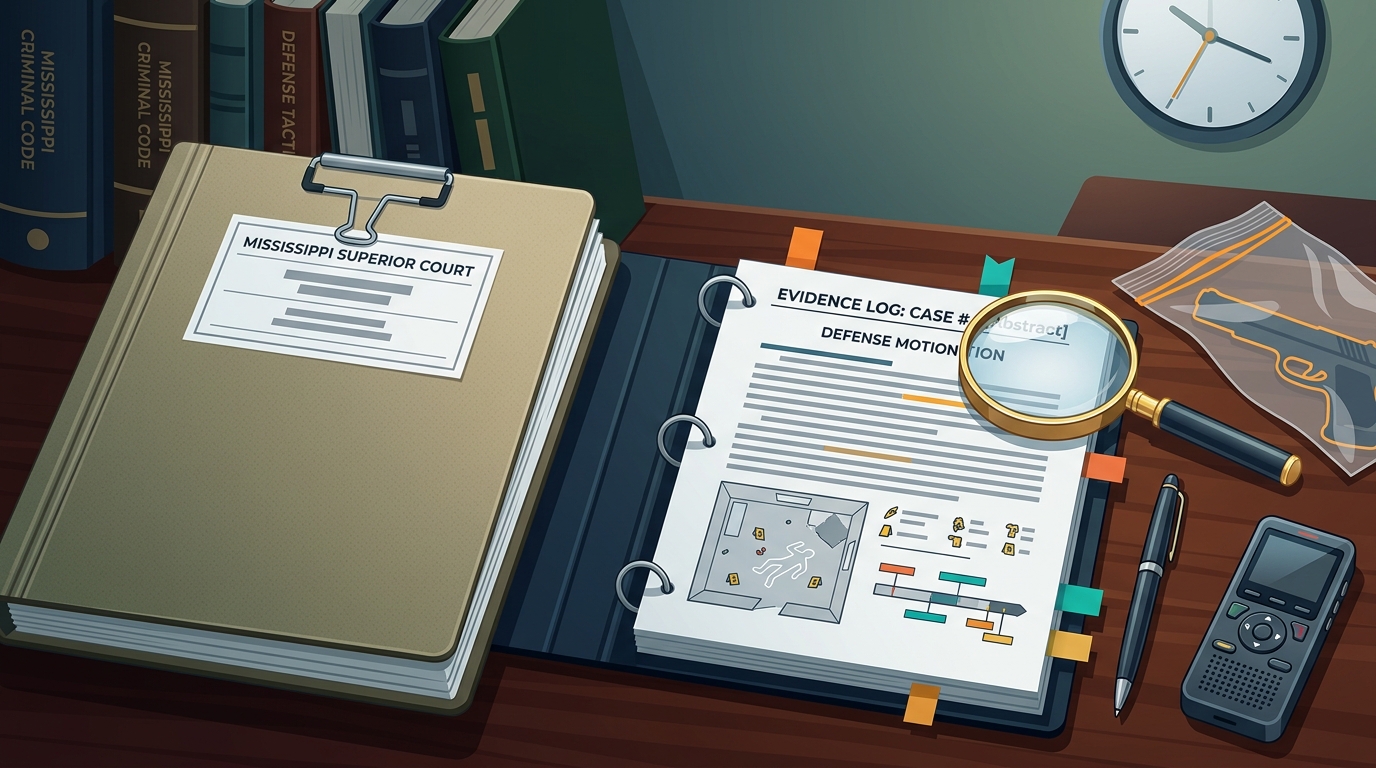
Defendants often underestimate the importance of physical evidence. This includes surveillance footage, text messages, DNA, and forensic data. A common error is assuming that the police have collected all relevant evidence. In reality, evidence can be lost, destroyed, or overlooked. It is vital to preserve any potential evidence immediately.
This might involve saving text message threads, downloading personal videos, or identifying witnesses who were present at the scene. If evidence is not preserved, it may be impossible to challenge the prosecution's narrative later. An experienced attorney knows how to conduct an independent investigation to uncover exculpatory evidence. Case results often hinge on these small details that the average person might miss.
Misjudging Plea Bargains
Many defendants reject plea offers out of pride or a false sense of confidence in their ability to win at trial. Prosecutors often offer reduced sentences in exchange for a guilty plea. While going to trial is a right, it is also a gamble. If you lose at trial, you could face the maximum penalty, which is far worse than the plea offer.
Understanding the strength of the prosecution's case is critical. An attorney can evaluate the likelihood of conviction and advise whether a plea deal is in your best interest. Client testimonials frequently highlight how strategic plea negotiations saved clients from severe sentencing. Do not make this decision alone. Rely on the expertise of your legal team to weigh the risks and benefits.
Defense Strategy Comparison
Choosing the right defense strategy is complex. Below is a comparison of common approaches in assault and murder cases.
| Defense Strategy | Best Used When | Risk Level | Key Consideration |
|---|---|---|---|
| Self-Defense | Defendant used force to protect themselves | High | Requires strong witness corroboration |
| Lack of Intent | Accidental harm or misunderstanding | Medium | Relies on forensic and testimonial analysis |
| Procedural Suppression | Police violated constitutional rights | Medium | Must file motions before trial |
| Plea Negotiation | Weak defense or strong prosecution case | Low | Reduces sentencing exposure |
Key Takeaways
- Do not speak to police without an attorney present. Your right to remain silent is your strongest tool.
- Preserve all evidence immediately, including digital communications and witness contact information.
- Avoid social media posts related to the case or your activities during the investigation.
- Hire an experienced attorney who understands local Mississippi courts and procedures.
- Evaluate plea offers carefully with legal counsel to avoid maximum sentencing risks.
- Act quickly to protect your rights before evidence is lost or memories fade.
- Trust the process and rely on professional legal guidance rather than personal assumptions.
Frequently Asked Questions
What should I do if I am arrested for assault?
You should immediately request an attorney and exercise your right to remain silent. Do not answer any questions until your lawyer is present.
Can social media posts be used against me in court?
Yes, prosecutors frequently use social media content to challenge your credibility or contradict your defense. It is best to avoid posting about the case entirely.
How long do I have to hire a lawyer?
You should hire a lawyer as soon as possible, ideally before any police questioning. Early intervention can significantly impact the outcome of your case.
What is the difference between assault and murder charges?
Assault involves the threat or attempt to cause harm, while murder involves the unlawful killing of another person with specific intent. The penalties for murder are far more severe.
Will I go to jail if I plead guilty?
Pleading guilty often results in a sentence, but it may be less severe than what you might receive if convicted at trial. Your attorney can negotiate for alternative sentencing options.
How does William Wayne Housley help with these cases?
He provides aggressive defense strategies, investigates evidence, and negotiates with prosecutors to achieve the best possible outcome for his clients.
Is it worth fighting murder charges?
Yes, every case is unique. Even in serious charges, there may be defenses available that can lead to acquittal or reduced charges. Do not give up without professional advice.
Secure Your Defense Today
If you or a loved one is facing assault or murder charges, do not wait. The mistakes made in the first few hours can define the rest of your life. Contact William Wayne Housley, Attorney at Law for a free consultation. We are dedicated to protecting your rights and securing your future. Call us today at 662-222-0900 or visit our contact page to schedule a meeting.