

Common DUI and License Suspension Mistakes in Northeast Mississippi
Driving under the influence in Mississippi carries severe legal and administrative consequences that extend far beyond the initial court date. According to the National Highway Traffic Safety Administration, alcohol-impaired driving fatalities accounted for 37% of all traffic deaths in 2022, highlighting the aggressive stance state authorities take against such offenses. In Northeast Mississippi, where rural roads and limited public transit options create unique challenges, a single mistake during the arrest or administrative hearing process can permanently alter your driving privileges and financial stability. Understanding the procedural nuances of Mississippi Code Title 63 is critical for anyone facing these charges.
The Implied Consent Trap
One of the most immediate and damaging errors defendants make is misunderstanding the concept of implied consent. In Mississippi, by simply holding a driver's license and operating a vehicle on public roads, you have already agreed to submit to chemical testing if law enforcement has reasonable suspicion of intoxication. This agreement is codified under Mississippi Code Section 63-3-111.
Many individuals believe they have the right to refuse a breathalyzer or blood test to avoid providing evidence against themselves. However, refusing a test triggers an automatic administrative license suspension. For a first offense, this suspension lasts for 30 days without the possibility of a restricted permit, followed by a 90-day suspension where a restricted permit may be available. This administrative penalty is separate from any criminal penalties you might face in court. Refusing the test does not make the case go away; it often makes it harder to defend because it removes the primary evidence that might have shown a blood alcohol concentration below the legal limit of 0.08%.
Another common mistake is arguing with the officer at the scene. While it is your right to remain silent, engaging in physical resistance or verbal abuse can lead to additional charges such as resisting arrest or disorderly conduct. These additional charges complicate your legal situation significantly and reduce your leverage in plea negotiations. It is crucial to remain calm and polite while asserting your right to legal counsel.
Missing the 10-Day Hearing Window
The most critical procedural deadline in any Mississippi DUI case is the request for an administrative hearing. You have only 10 calendar days from the date of your arrest to request a hearing with the Mississippi Department of Public Safety (DPS). This deadline is strict and non-negotiable. If you miss this window, your license suspension becomes automatic and permanent until you successfully appeal through a costly and complex legal process.
Many defendants assume that hiring a lawyer will automatically handle this deadline. However, the burden is on the defendant or their legal representation to file the proper paperwork within that 10-day period. If the paperwork is not received by the DPS within this timeframe, the administrative suspension proceeds regardless of the status of the criminal case. This is why immediate action is required. For residents in Tupelo, Oxford, or Corinth, navigating the DPS office requirements can be time-consuming, making early legal intervention essential.
During this hearing, the goal is not to determine guilt or innocence regarding the criminal charge. Instead, the hearing focuses on four specific questions: Did the officer have reasonable suspicion to stop you? Did you place yourself in a position to drive? Did you arrest for DUI? And did you refuse or fail the chemical test? If the DPS finds that these criteria were met, they will uphold the suspension. An experienced attorney can challenge the validity of the stop or the calibration of the breathalyzer device, potentially saving your driving privileges.
Administrative vs. Criminal Consequences
Defendants often confuse the administrative license suspension with the criminal court case. These are two parallel tracks that operate independently. The administrative track is managed by the Mississippi Department of Public Safety and deals solely with your driving privileges. The criminal track is managed by the county district court and deals with fines, jail time, and a permanent criminal record.
A common mistake is assuming that winning the criminal case will automatically restore your license. While a dismissal or acquittal in criminal court is beneficial, it does not automatically reverse an administrative suspension that was upheld. You may still be required to complete additional steps to reinstate your driving privileges, such as installing an ignition interlock device or paying reinstatement fees. Conversely, even if you are convicted in criminal court, you may still have grounds to fight the administrative suspension if the DPS failed to follow proper procedure.
Understanding this distinction is vital for crafting a comprehensive defense strategy. Your legal team must address both tracks simultaneously. For instance, challenging the legality of the traffic stop in criminal court might also provide grounds to challenge the administrative suspension. However, the standards of proof differ. Criminal cases require proof beyond a reasonable doubt, while administrative hearings use a preponderance of the evidence standard. This lower threshold makes the administrative hearing a critical battleground for protecting your ability to work and maintain daily responsibilities.
Ignition Interlock Misconceptions
For many first-time offenders in Northeast Mississippi, the requirement to install an ignition interlock device (IID) is a major concern. A common misconception is that the IID is only required if you are convicted in criminal court. In reality, Mississippi law mandates IID installation for certain administrative suspensions as well, particularly if you are seeking a restricted permit for work or school purposes.
Another error is underestimating the cost and maintenance of these devices. IIDs are not free. They require monthly monitoring fees, installation costs, and periodic calibration. If you fail to maintain the device or miss a calibration appointment, the DPS can extend your suspension. Furthermore, some defendants attempt to bypass the device using cheat devices or fuel additives, which is a felony offense in Mississippi and can result in additional jail time and extended license revocation.
It is also important to note that the duration of IID requirements varies based on your offense history. For a first offense, the IID may be required for a specific period before you can obtain a full unrestricted license. However, if you have prior DUI convictions, the requirements become significantly more stringent. According to data from the Insurance Institute for Highway Safety, IIDs reduce repeat DUI offenses by approximately 70%, underscoring their effectiveness but also their strict enforcement.
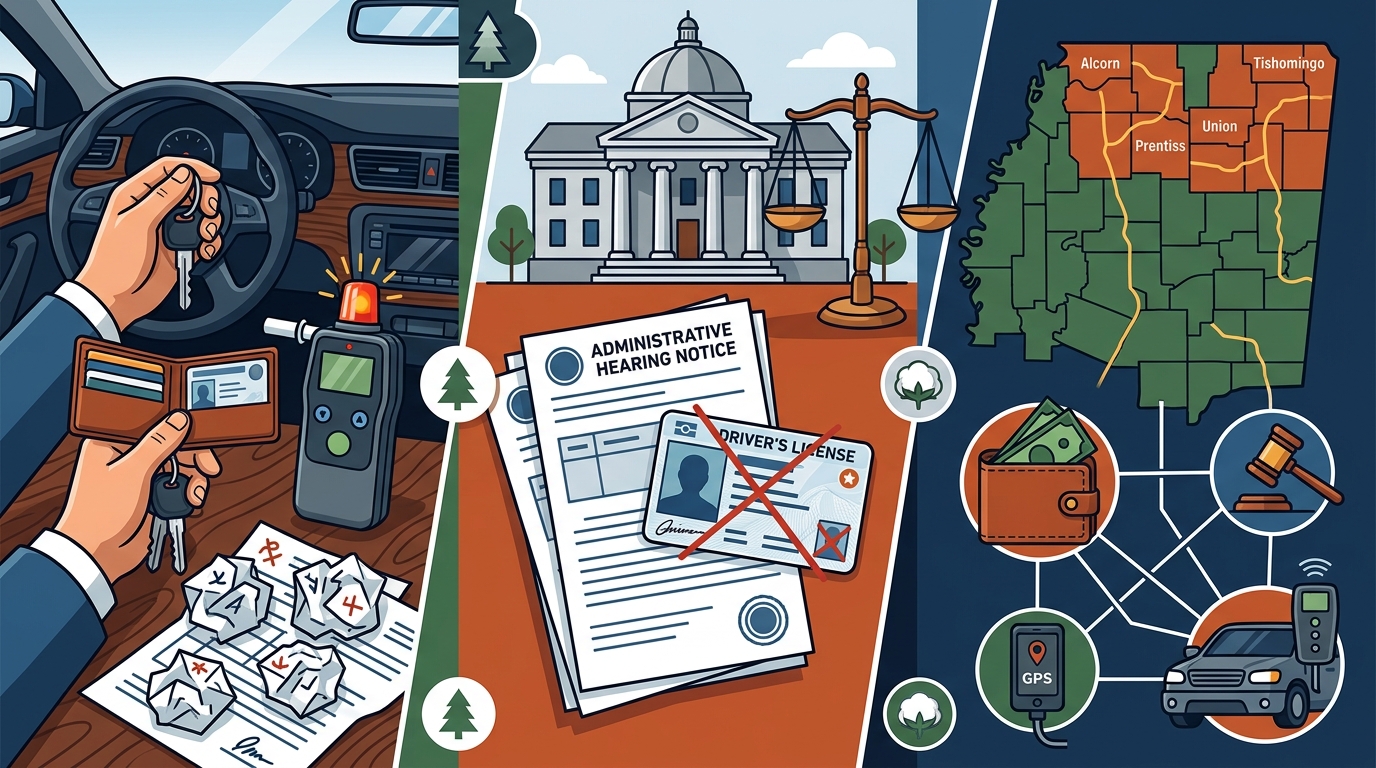
Strategic Legal Defenses
Navigating the legal system without professional guidance is a dangerous gamble. One of the most effective strategies is to challenge the accuracy of the breathalyzer test. Breathalyzer devices require regular calibration and maintenance. If the officer failed to observe you for the required 15-20 minutes prior to the test, or if the device was not properly maintained, the results may be inadmissible in court. This is a technical defense that requires a knowledgeable attorney to uncover.
Another common defense involves the legality of the traffic stop. Law enforcement must have a reasonable suspicion that a traffic violation or crime has occurred. If the stop was pretextual or lacked probable cause, any evidence obtained thereafter, including the breathalyzer results, may be suppressed. This "fruit of the poisonous tree" doctrine can lead to the dismissal of charges. However, identifying these procedural errors requires a meticulous review of the police report and body camera footage.
For residents of Northeast Mississippi, working with a local firm like Housley Law provides a significant advantage. Local attorneys understand the specific tendencies of the district attorneys and judges in Lee, Pontotoc, and Alcorn counties. They know which defenses are most likely to succeed in which jurisdictions. This local expertise can mean the difference between a harsh sentence and a favorable plea agreement or dismissal.
Key Takeaways
- Immediate Action Required: You have only 10 days from arrest to request an administrative hearing with the DPS. Missing this deadline results in automatic license suspension.
- Implied Consent Risks: Refusing a chemical test triggers an automatic 30-day suspension without a restricted permit for first offenses, regardless of criminal case outcomes.
- Parallel Proceedings: Administrative license suspension and criminal court cases are separate. Winning in criminal court does not automatically restore your driving privileges.
- IID Costs and Compliance: Ignition interlock devices require monthly fees and strict compliance. Bypassing them is a felony offense that extends license revocation.
- Local Legal Expertise: Local attorneys in Northeast Mississippi understand regional judicial tendencies and can identify procedural errors in traffic stops and testing.
- Calibration Challenges: Breathalyzer results can be challenged based on lack of observation time or improper device calibration, potentially leading to evidence suppression.
- Professional Guidance: Hiring an experienced DUI attorney early in the process is critical to protecting both your driving privileges and your criminal defense.
Frequently Asked Questions
What happens if I miss the 10-day hearing deadline?
If you miss the 10-day deadline to request an administrative hearing, your license suspension becomes automatic. You will lose your driving privileges for the duration of the suspension period, and reinstating your license will require a more complex and costly legal process.
Can I get a restricted permit if I refuse the breathalyzer test?
For a first offense, refusing the test results in a 30-day suspension with no option for a restricted permit. After 30 days, you may be eligible for a restricted permit for 90 days, provided you install an ignition interlock device. Subsequent refusals carry harsher penalties.
How long does a first-time DUI suspension last in Mississippi?
A first-time DUI conviction typically results in a 90-day license suspension. However, you may be eligible for a restricted permit after serving a portion of the suspension if you install an ignition interlock device and meet other requirements.
Does a DUI stay on my record in Mississippi?
Yes, a DUI conviction remains on your driving record for 10 years in Mississippi. It can also appear on your criminal record permanently, affecting employment opportunities and insurance rates.
What is the legal blood alcohol limit in Mississippi?
The legal limit for blood alcohol concentration (BAC) in Mississippi is 0.08%. Drivers under the age of 21 are subject to a zero-tolerance policy with a limit of 0.02%.
Can I challenge the accuracy of a breathalyzer test?
Yes, breathalyzer results can be challenged based on improper calibration, lack of maintenance, or failure to follow proper observation protocols. An experienced attorney can review the device's history and the officer's procedures to identify potential errors.
Do I need a lawyer for an administrative hearing?
While you are not legally required to have a lawyer for the administrative hearing, it is highly recommended. The DPS is represented by legal counsel, and the burden is on you to prove that your license should not be suspended. An attorney can effectively challenge the evidence and procedural errors.
Protect Your Rights and Driving Privileges
Facing a DUI charge in Northeast Mississippi is a serious matter that requires immediate and strategic legal action. The mistakes outlined above can have long-lasting consequences on your life, career, and freedom. Do not navigate this complex legal landscape alone. Contact Housley Law today to schedule a consultation. Our team is dedicated to protecting your rights and fighting for the best possible outcome in your case. Visit our DUI Defense Services page to learn more about how we can help you.